Lenten Cuisine: What We Eat During Holy Week
Holy Week is approaching, and in the heart of the Lenten season, “Old Lent”—symbolized by an elderly woman holding a piece of salted cod in her hand—reminds us that this is a time of abstinence and reflection. But is this delicious fast really a form of penance?
Fasting began with the prohibition of meat, which, being red and “hot,” was considered a source of sin as well as a sign of wealth. Fish, seen as “cold” and pure, emerged in the Middle Ages as the ideal complement to this strict diet of oil-based soups, bread, and water, carried on through Holy Week.
Yet indulgence seems to have grown over time, with new and flavorful recipes that today form part of our Lenten cuisine: soups, broths, and hearty stews made with vegetables and fish—almost always featuring cod as the star ingredient during Holy Week.
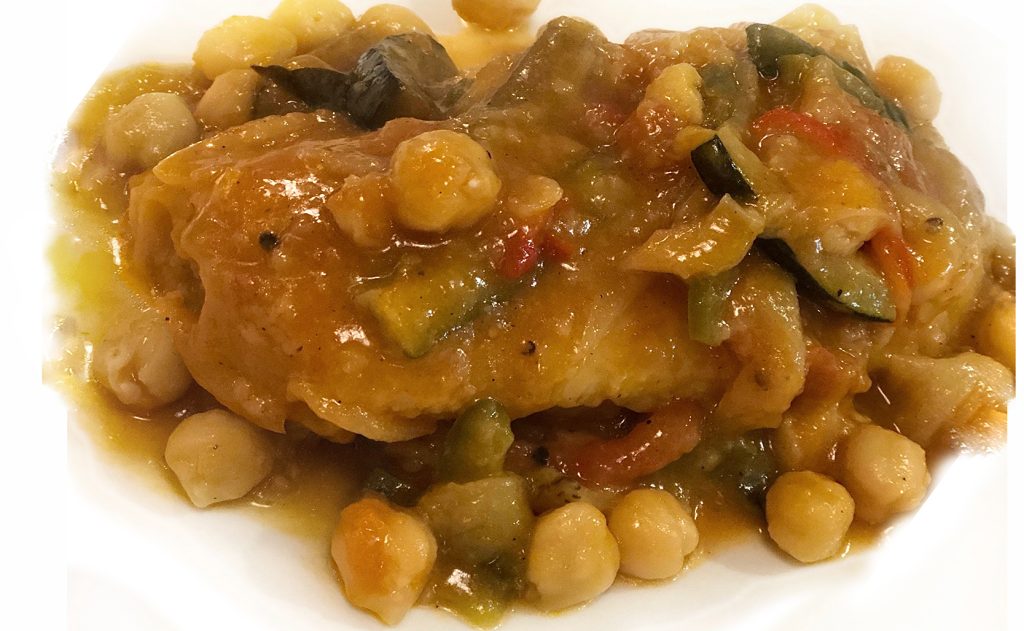
Take Cod with chickpeas, the undisputed emblem of Lent. This Castilian dish, though humble in origin, could not be more complete or delicious. And when high-quality ingredients are used, the result is a first-rate dish—not just for Holy Week. In our Chef’s masterfully prepared version, you’ll find spinach, tender vegetables, and, of course, a rich fish fumet as the base.
Why Is Cod Eaten During Lent?
In times of abstinence, it was very difficult to obtain fresh fish. Cod, thanks to how easily it could be salted and dried, became extremely popular due to its long shelf life and affordable price.
Although once considered “food for the poor,” it eventually rose to culinary stardom in traditional recipes such as cod fritters, esqueixada, a catalan cod salad—classic dishes of Catalan cuisine.
Traditional Lenten Desserts That Help Us “Survive” the Fast
Other very popular treats in Catalonia are Lenten fritters—sweet, rich, and fluffy bites traditionally eaten on Wednesdays and Fridays until the end of Holy Week.

Lenten fritters
Their origins are said to trace back to the monasteries of the Empordà region, where they were made in small portions to sweeten the fast—hence their modest size.
There are also other desserts typical of this season throughout the rest of Spain, such as torrijas and fried milk.
Torrijas date back to the austerity of Lent, when leftover bread was repurposed into this hearty, energy-rich dessert—perfect for periods of abstinence.
And although these days of Lent and Holy Week are the traditional time for such a delicious fast, at Carballeira, out of tradition, culture, and love of flavor—except for the Lenten fritters—we keep these dishes on our menu year-round for your “mystical delight.”